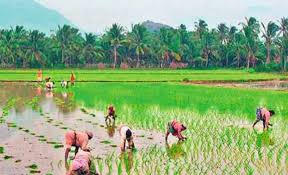
Monsoon rains have always been the lifeline of India’s agriculture and economy. The annual arrival of the monsoon is not just a weather event but a deeply anticipated moment for millions of farmers, businesses, and policymakers alike. This year, however, the monsoon began unusually early on May 24 — the earliest start in 16 years — bringing hope of a strong and steady season ahead. But now, as June rolls in, the monsoon has unexpectedly stalled, casting uncertainty over the crucial planting season and the broader economy.
The Early Start and Sudden Stall
India’s southwest monsoon typically arrives between late May and early June, spreading steadily across the southern and western states before moving northward. This year’s early onset sparked optimism, suggesting a potentially robust rainfall season. The Indian Meteorological Department (IMD) recorded rapid monsoon progress through southern India, northeastern states, and parts of western India within days of arrival.
However, this promising start was followed by a sudden slowdown. Since early June, rainfall has become patchy and subdued across many parts of the country, particularly over the agricultural heartlands. Scientists at IMD point to complex atmospheric changes and a developing low-pressure system over the Bay of Bengal, which is expected to bring renewed rains only by around June 11.
Why This Matters: Monsoon and Indian Agriculture
For India, monsoon rains are not just about weather; they are central to the nation’s food security and rural livelihoods. Around 70% of India’s annual rainfall comes from the monsoon, nourishing vast swaths of farmland and replenishing water reservoirs that millions rely on.
Nearly half of India’s farmland depends entirely on monsoon rains due to limited irrigation infrastructure. This makes the timing and intensity of rainfall crucial. When rains are timely and sufficient, farmers can sow crops like rice, cotton, soybean, corn, and sugarcane on schedule, ensuring good harvests.
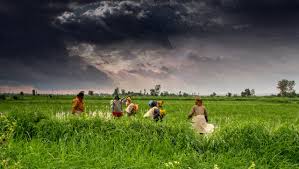
The current monsoon stall means many farmers are hesitant to begin sowing. Waiting for adequate soil moisture to ensure healthy seed germination, they are putting their planting on hold, leading to delays that could ripple through the agricultural calendar.
Economic Implications Beyond the Farm
India’s agriculture sector contributes about 18% to the country’s GDP and employs nearly half of the workforce. Any disruption to farming activities due to monsoon irregularities directly impacts rural incomes and consumer spending.
Furthermore, delayed or reduced crop production can lead to supply shortages, pushing up food prices. Inflation in food commodities can strain household budgets and reduce overall economic growth.
There’s also a cascading effect on industries linked to agriculture — from fertilizer and seed companies to transportation and retail sectors. When farmers delay sowing, demand for agricultural inputs dips temporarily, affecting related businesses.
Government and Expert Response
Recognizing the importance of a timely monsoon, the Indian government and agricultural experts are closely monitoring weather patterns. While the early start initially lifted hopes, the current lull has prompted contingency planning.
Authorities are prepared to provide additional support to farmers through subsidies, credit facilities, and guidance on water-efficient farming techniques. There are also efforts to accelerate irrigation projects to reduce dependence on rainfall over the long term.
Experts advise farmers to stay updated with weather forecasts and adopt staggered planting strategies to minimize risks. Crop diversification and the use of drought-resistant seed varieties are also encouraged as adaptive measures.
A Waiting Game with Hope on the Horizon
For now, many farmers across states like Maharashtra, Madhya Pradesh, and Tamil Nadu are in a wait-and-watch mode. The upcoming days will be critical as meteorologists expect monsoon activity to pick up again around mid-June.

The monsoon’s revival would bring much-needed relief and allow farmers to resume sowing with confidence. A successful monsoon season remains key not only for agriculture but for the overall economic health of the country.
The Bigger Picture: Climate Change and Monsoon Variability
This year’s unusual monsoon pattern also brings attention to a broader challenge — climate change and its impact on India’s monsoon dynamics. Scientists warn that global warming is causing more erratic rainfall patterns, with increased frequency of both droughts and floods.
Adapting to this new normal requires investments in climate-resilient agriculture, improved water management, and enhanced weather prediction systems. Policymakers, researchers, and communities must work together to safeguard the monsoon’s role in sustaining India’s population and economy.
Conclusion
India’s monsoon stall in June 2025 is more than a weather delay; it is a reminder of the fragile balance that millions of farmers and the nation’s economy depend upon. While the wait for renewed rains continues, the resilience and adaptability of India’s agricultural community remain strong.
As the monsoon returns to full force, it will hopefully bring with it a season of growth, prosperity, and stability — reinforcing the timeless bond between the rain and the life it sustains.
If you want, I can also help you with meta tags, social media snippets, or related content for this blog!
“This Content Sponsored by Buymote Shopping app
BuyMote E-Shopping Application is One of the Online Shopping App
Now Available on Play Store & App Store (Buymote E-Shopping)
Click Below Link and Install Application: https://buymote.shop/links/0f5993744a9213079a6b53e8
Sponsor Content: #buymote #buymoteeshopping #buymoteonline #buymoteshopping #buymoteapplication”