Donald Trump has once again shaken up the global economy — this time with a sweeping wave of tariffs that have everyone from business leaders to everyday shoppers talking. These aren’t just minor adjustments; they’re broad, bold, and already making a noticeable impact. Whether you agree with him or not, there’s no denying that Trump’s latest tariff announcement is sending shockwaves through international trade.
Let’s unpack what’s going on and how it’s affecting real people, industries, and countries around the world.
A Blanket Tariff with Sharp Edges
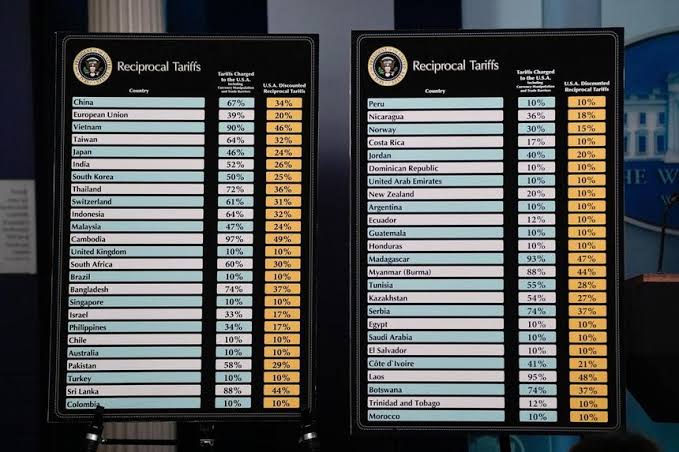
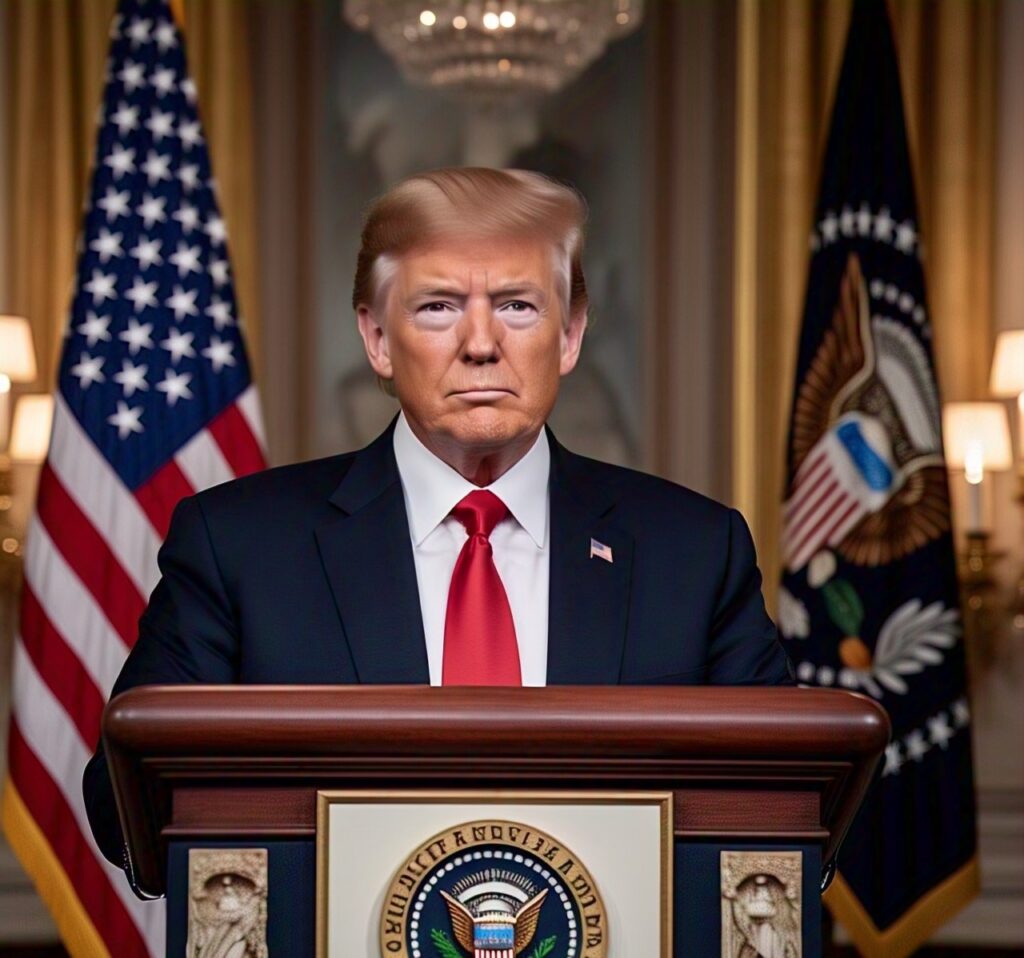
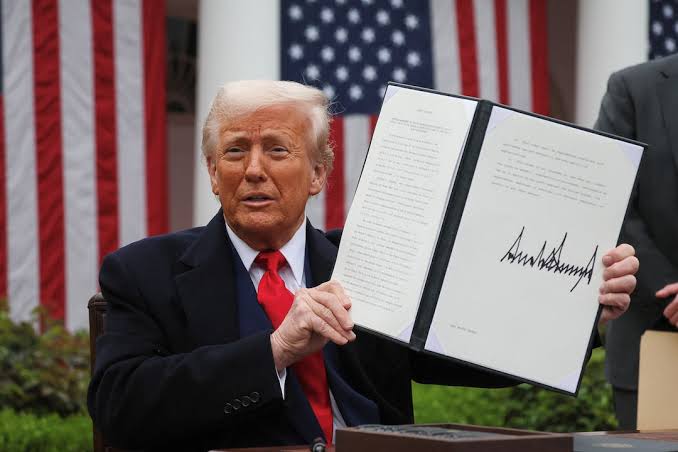
In a headline-grabbing move, Trump announced a 10% tariff on nearly all imported goods into the U.S. That’s not all — several countries are facing much steeper rates. China’s goods, for example, are being hit with a 34% duty. Vietnam’s products? A whopping 46%. Even long-time allies like the EU, Japan, and Canada aren’t being spared.
The goal, as Trump describes it, is to reduce America’s reliance on foreign products and create more opportunities for U.S.-based companies. But the effects of this decision are a lot more complex than just “buy American.”
Price Hikes for Everyday Goods
One of the most immediate effects consumers are feeling is a rise in prices. From groceries to gadgets, imported goods now cost more — and that extra cost is often passed directly to the buyer. Families are starting to notice the difference in their monthly budgets, especially when shopping for electronics, clothing, furniture, and vehicles.
For people already navigating high inflation and economic uncertainty, these added costs come at a tough time.
Mixed Reactions in U.S. Industries
Not all sectors are reacting the same way. Some U.S. industries — especially those that have long battled foreign competition — are breathing a sigh of relief. American steel manufacturers, for instance, are seeing a small boost as cheaper imports become less attractive. And some factory towns are even talking about new hiring.
But it’s not all good news. Many companies rely on international supply chains to stay afloat. Car manufacturers, tech giants, and retailers are finding it more expensive to get the parts and products they need. Several automakers have already hinted at production slowdowns or job cuts if the tariffs stick around long-term.
Small Businesses Feeling the Squeeze
Large corporations might have the wiggle room to adjust their sourcing or pricing strategies, but small businesses don’t have that luxury. Many small importers and online sellers are now struggling to absorb these sudden costs. For them, it’s either raise prices and risk losing customers or eat the cost and take a financial hit.
This kind of pressure could eventually lead to layoffs, closures, or a slowdown in innovation — especially among startups that depend on global supply chains.
Tension Abroad: Friends or Foes?
Countries on the receiving end of these tariffs aren’t taking it lightly. Several U.S. allies have criticized the move, calling it unnecessary and unfair. There’s talk of retaliatory tariffs, and in some places, they’re already being implemented.
This could mean trouble for American exporters — like farmers, who rely on markets in Europe and Asia to sell their crops. If foreign governments respond with tariffs of their own, it could block U.S. products from reaching global buyers.
In short, things could get tense.
Markets Responding with Caution
Financial markets have also reacted to the tariff news. Stocks dipped in sectors most affected by the changes, particularly automotive and tech. While there hasn’t been a full-blown crash, investors are cautious, knowing that prolonged trade tensions can slow down global growth and create uncertainty.
Businesses, too, are holding their breath. With so much up in the air, many are delaying big decisions until things settle — which could slow hiring and investment across the board.
Is This a Long-Term Strategy or a Political Play?
The big question on everyone’s mind: will these tariffs actually help American workers, or is this more of a political move? Supporters say it’s about standing up for American jobs and fixing years of unfair trade deals. Critics argue it could backfire by increasing costs, hurting small businesses, and triggering global backlash.
One thing is certain: the full impact won’t be clear for months, maybe even years. But the early signs suggest both gains and growing pains.
Final Thoughts: A New Chapter in Global Trade
Trump’s 2025 tariffs are more than just a political talking point — they’re actively reshaping how the U.S. and the world do business. For some, it’s a chance to rebuild domestic industries. For others, it’s a challenge to adapt quickly in a changing trade landscape.
As countries respond, industries adjust, and consumers feel the effects, one thing is clear: the ripple effects of these tariffs are being felt far beyond Washington
“This Content Sponsored by Buymote Shopping app
BuyMote E-Shopping Application is One of the Online Shopping App
Now Available on Play Store & App Store (Buymote E-Shopping)
Click Below Link and Install Application: https://buymote.shop/links/0f5993744a9213079a6b53e8
Sponsor Content: #buymote #buymoteeshopping #buymoteonline #buymoteshopping #buymoteapplication”