
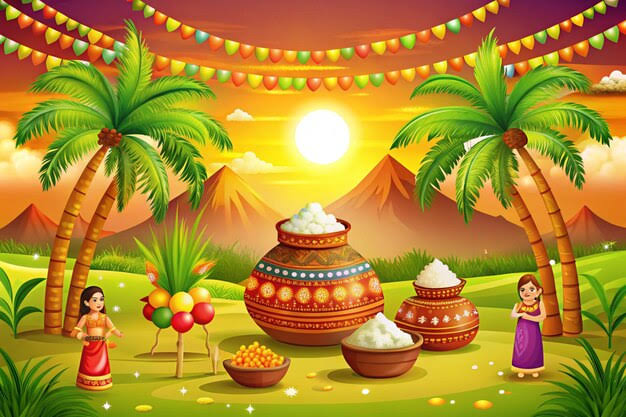
Pongal is one of the most cherished and vibrant festivals of South India, especially Tamil Nadu. This harvest festival is steeped in history, tradition, and cultural significance. While many are familiar with its basic rituals, Pongal is full of fascinating aspects that make it truly unique. Let’s explore some interesting facts about Pongal, ranging from its origins to its modern-day practices.
1. A Festival Older Than Many Religions
Pongal is one of the oldest festivals in India, with records suggesting it has been celebrated for over 2,000 years. It predates many organized religions and is believed to have originated during the Sangam Age as a Dravidian harvest celebration. Its continuity over millennia showcases its deep cultural roots.
2. Pongal Is Celebrated Over Four Days
Unlike most single-day festivals, Pongal spans four days, each with unique traditions and meanings.
- Bhogi Pongal (Day 1): Focuses on cleaning and discarding old items, symbolizing new beginnings.
- Thai Pongal (Day 2): The main day of the festival dedicated to the sun god, marked by cooking the traditional Pongal dish.
- Mattu Pongal (Day 3): Honoring cattle for their contribution to agriculture.
- Kaanum Pongal (Day 4): A day for family reunions and community gatherings.
3. The Significance of the Name “Pongal”
The word “Pongal” translates to “boiling over,” symbolizing prosperity, abundance, and wealth. The festival gets its name from the traditional dish prepared during Thai Pongal, where rice, milk, and jaggery are boiled together in a clay pot until it overflows. This act is considered auspicious and represents abundance in life.
4. Pongal Dish Ingredients Have Symbolic Meanings
The key ingredients of the Pongal dish—rice, milk, jaggery, ghee, and cardamom—are not just culinary staples but also hold symbolic significance. Rice represents sustenance, milk signifies purity, jaggery embodies sweetness in life, and ghee represents prosperity.
5. A Festival of Gratitude
At its heart, Pongal is a festival of gratitude. It is a way for farmers and families to thank nature, particularly the sun god (Surya), for sustaining life and ensuring a bountiful harvest. The rituals reflect the deep connection between humanity and the natural world.
6. Mattu Pongal: A Unique Day for Cattle
On the third day of Pongal, known as Mattu Pongal, cows and bulls are bathed, decorated with garlands, and worshipped. Farmers express gratitude to their cattle for their indispensable role in plowing fields and providing dairy products.
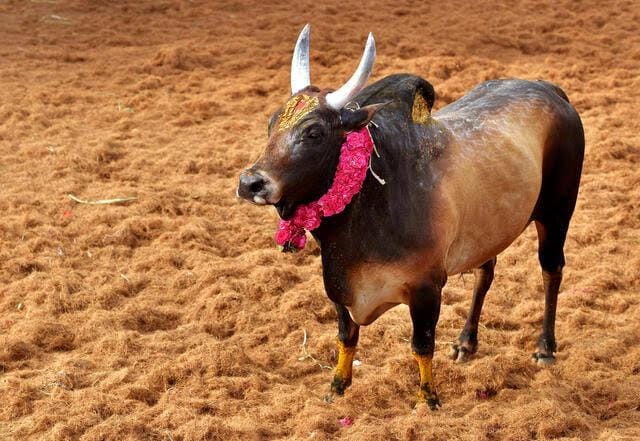
In rural areas, bull races and events like Jallikattu (bull-taming sport) are organized.
7. A Solar Celebration
Pongal is one of the few Indian festivals that follows the solar calendar. It coincides with Makar Sankranti, celebrated across India in different forms. This marks the sun’s transition into the zodiac sign of Capricorn (Makara) and its northward journey, known as Uttarayan.
8. Eco-Friendly Festival
Pongal promotes sustainable and eco-friendly practices. The use of clay pots for cooking, banana leaves for serving, and natural decorations like flowers and rangoli (kolam) are environmentally friendly traditions that have stood the test of time.
9. The Role of Kolam
During Pongal, intricate designs called kolams are drawn on the ground using rice flour. These designs are not just decorative but also serve a deeper purpose. Rice flour attracts ants and birds, signifying the festival’s inclusivity and the idea of sharing with all living beings.
10. A Global Celebration
Though Pongal is predominantly celebrated in Tamil Nadu, it has gained global recognition. Tamil communities in countries like Sri Lanka, Malaysia, Singapore, and even Western nations celebrate Pongal with great fervor, preserving their cultural heritage.
11. Pongal and Sugarcane
Sugarcane is an integral part of Pongal celebrations.
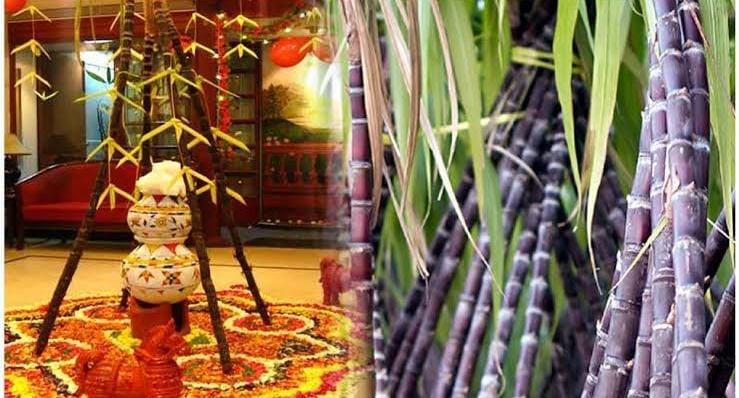
It symbolizes sweetness and prosperity and is offered during prayers. Children and adults alike enjoy munching on sugarcane during the festival.
12. Bonfires and Bhogi Mantalu
On Bhogi Pongal, people light bonfires using old items, signifying a fresh start. These fires, called Bhogi Mantalu, are a way to discard the past and welcome new beginnings.
13. Diverse Regional Variations
While Tamil Nadu celebrates Pongal, other states observe similar harvest festivals with regional flavors. For example, Makar Sankranti in North India, Lohri in Punjab, and Bihu in Assam share themes of gratitude and harvest.
14. Pongal and Tamil Calendar
Pongal is celebrated in the Tamil month of Thai (mid-January to mid-February). The saying “Thai Piranthal Vazhiyum Thirunthirukkum,” meaning “With the arrival of Thai, prosperity will follow,” underscores the importance of this month.
15. Unity in Diversity
Pongal transcends religious and cultural boundaries, uniting people from different walks of life. Whether rural or urban, everyone comes together to celebrate gratitude, abundance, and the joy of harvest.
Conclusion
Pongal is more than just a festival; it is a celebration of life, nature, and community. Its unique traditions, deep cultural roots, and universal message of gratitude make it an enduring and meaningful festival. By learning these interesting facts about Pongal, we gain a deeper appreciation of its significance and the values it upholds. Whether you’re a part of the Tamil community or just someone curious about diverse cultures, Pongal offers a wonderful insight into the harmony between humans and nature.
“This Content Sponsored by Buymote Shopping app
BuyMote E-Shopping Application is One of the Online Shopping App
Now Available on Play Store & App Store (Buymote E-Shopping)
Click Below Link and Install Application: https://buymote.shop/links/0f5993744a9213079a6b53e8
Sponsor Content: #buymote #buymoteeshopping #buymoteonline #buymoteshopping #buymoteapplication”